Creating Meaningful Connections Through Guided Tours
In an increasingly digital world, the desire for authentic experiences and personal connections remains strong. Guided tours, particularly those tailored by local experts, offer a unique opportunity for cultural immersion and meaningful interactions. This article explores how such personalized guiding services can foster connections that enrich both visitors and communities.
Understanding the Value of Guided Tours
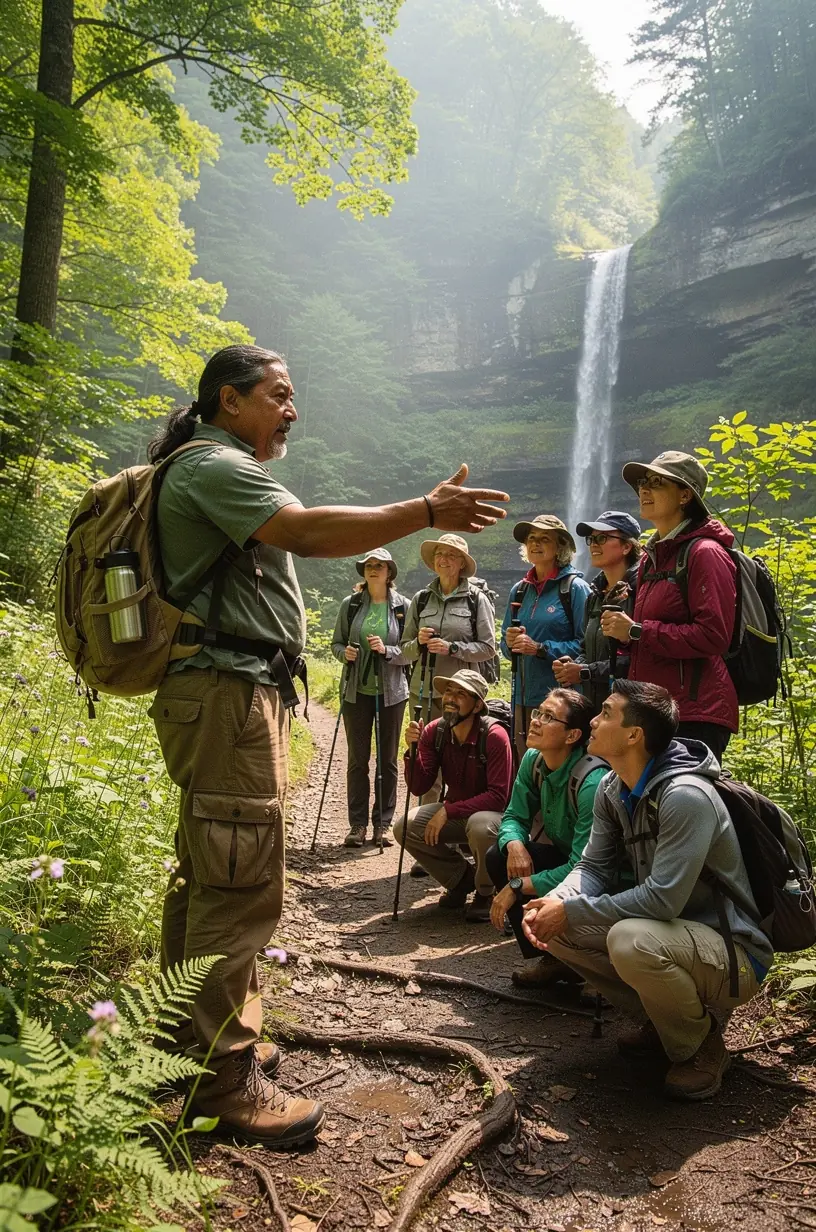
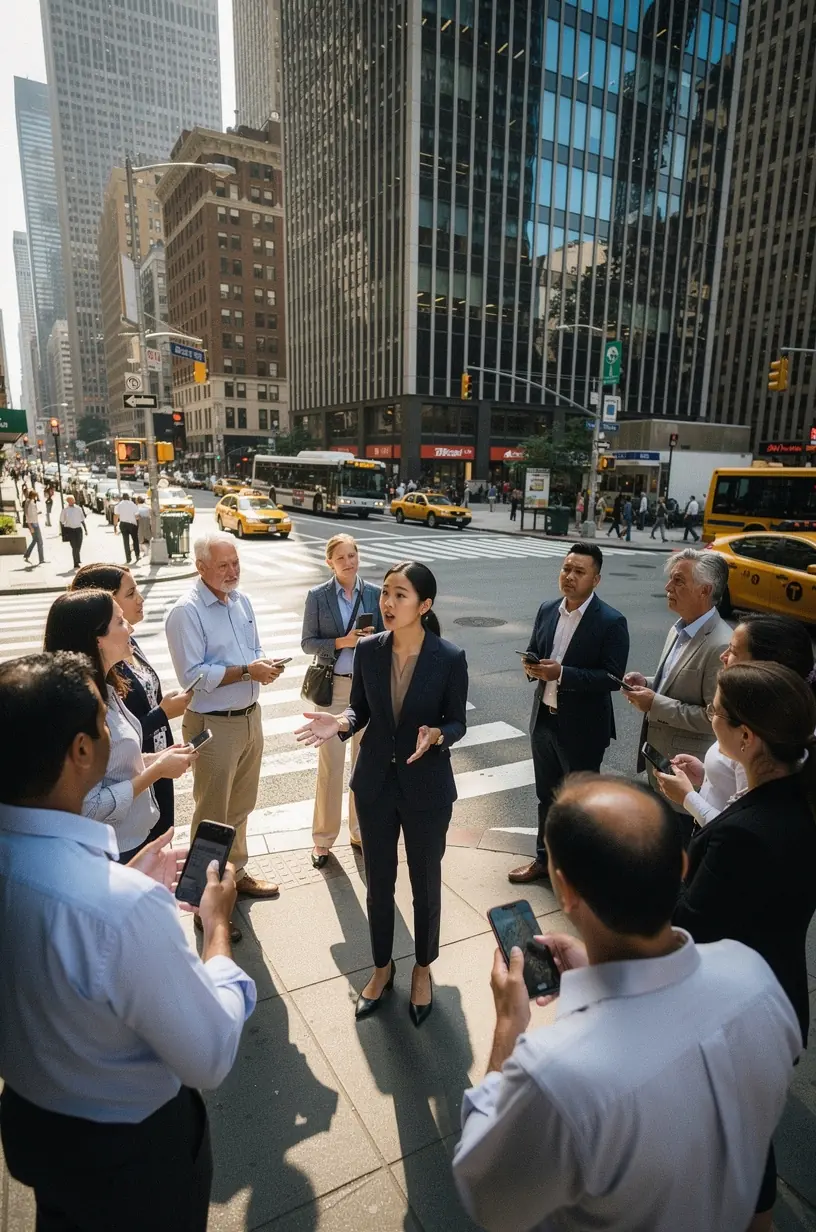
Guided tours provide an avenue for individuals to dive deeper into local culture, history, and social dynamics. According to studies, tourists often feel more engaged and satisfied when they participate in guided experiences led by knowledgeable locals. This is attributed to the ability of guides to share not just facts, but personal stories and insights that reflect the essence of their communities.
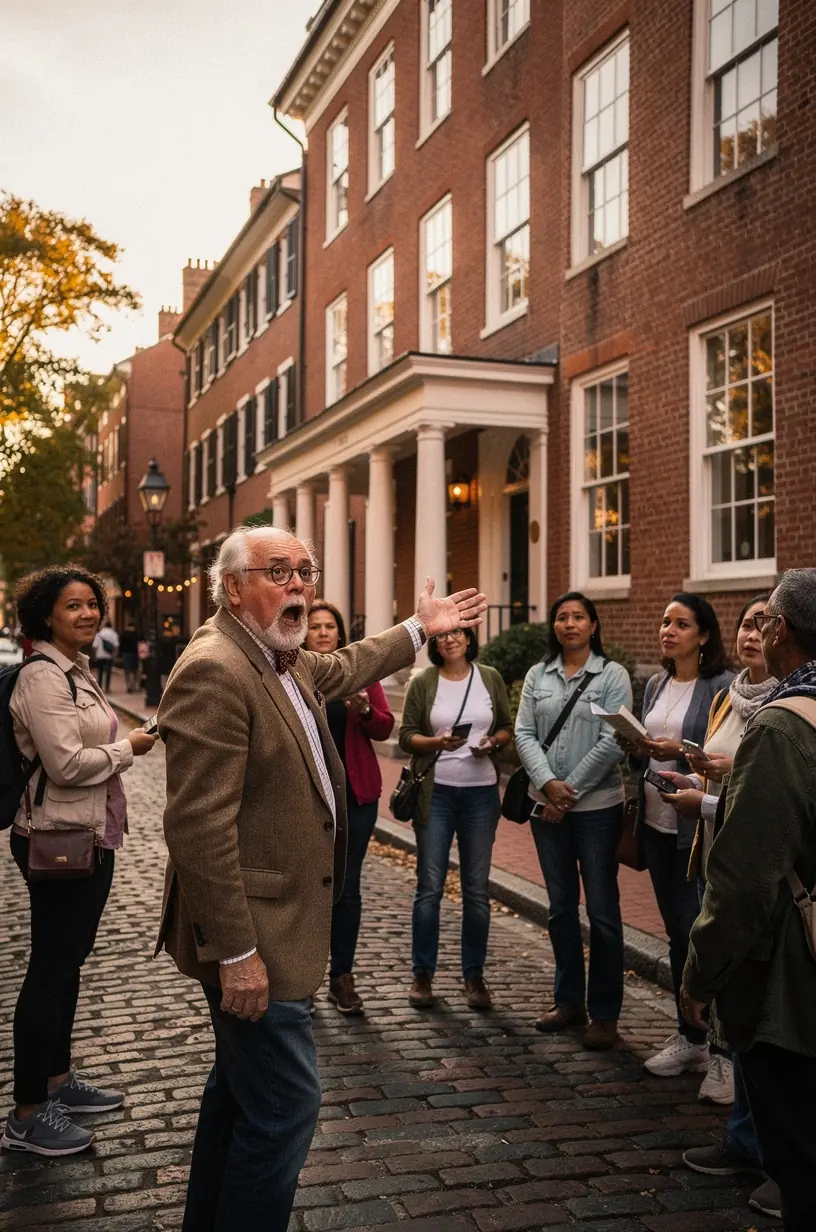
"Traveling with a local guide unlocks perspectives and experiences that are often missed when exploring independently."
Fostering Connections Through Personalized Experiences
Personalized tours typically involve more than just sightseeing. They often include:
- Tailored Itineraries: Guides can customize experiences based on the interests and preferences of participants, often resulting in more meaningful interactions.
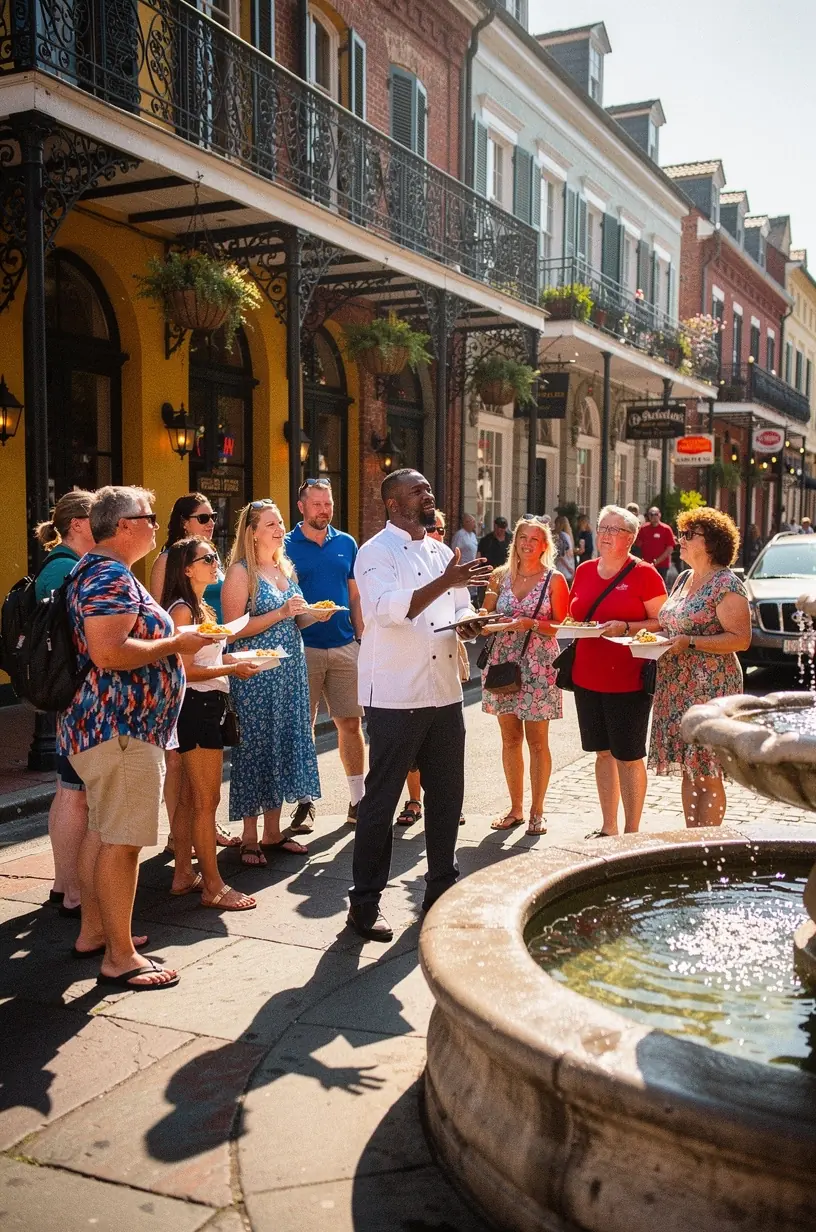
- Cultural Immersion: Many tours incorporate local traditions, food, and art, which can lead to deeper discussions and connections between visitors and residents.
- Shared Experiences: Engaging in activities alongside local guides helps build camaraderie and a sense of community, enhancing the overall experience.
The Methodology Behind Effective Guided Tours
The effectiveness of guided tours lies in their structure and delivery. Experts recommend the following practices to maximize impact:
- Preparation: Guides should invest time in understanding the backgrounds and interests of their participants, which can lead to tailored discussions and interactions.
- Storytelling: Sharing personal anecdotes and historical narratives fosters emotional connections and engagement among participants.
- Encouraging Interaction: Active participation from attendees, such as asking questions or sharing their own experiences, is often encouraged to create a dynamic and inclusive environment.
Challenges and Considerations
While guided tours can be highly effective, there are limitations to consider:
- They often require a time commitment, with most tours lasting several hours to a full day.
- Participants may need to be open to stepping outside their comfort zones, as cultural immersion often involves experiencing unfamiliar customs and practices.
- What works best may vary; for example, some individuals benefit more from historical tours, while others seek culinary experiences.
Conclusion
Guided tours led by local experts can create meaningful connections that enrich the travel experience. By providing personalized insights and fostering cultural immersion, these tours not only benefit visitors but also support local communities. Engaging with a knowledgeable guide can open doors to authentic experiences that leave lasting impressions. For those considering a guided tour, setting realistic expectations regarding time commitment and openness to new experiences is essential for maximizing the benefits of this approach.