How to Design Your Own Cultural Immersion Program
Creating a cultural immersion program can offer profound insights into different lifestyles, traditions, and practices. This guide outlines effective steps to design a program that fosters meaningful experiences while accommodating personal interests.
Understanding the Basics
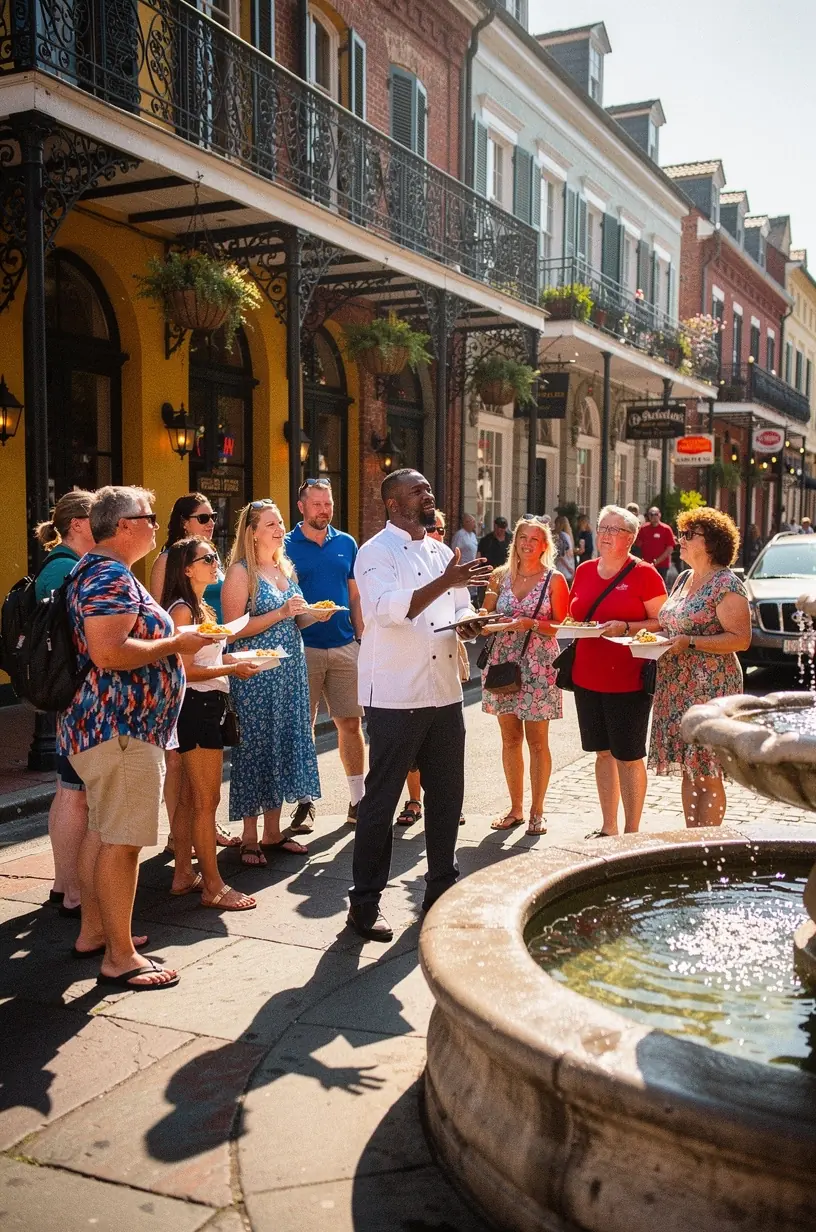
Before diving into program design, it’s essential to grasp the principles behind cultural immersion. According to research, cultural immersion is most effective when participants engage directly with local communities, enhancing understanding through firsthand experience. Experts recommend incorporating various activities such as cooking classes, language lessons, and local tours to foster genuine connections.
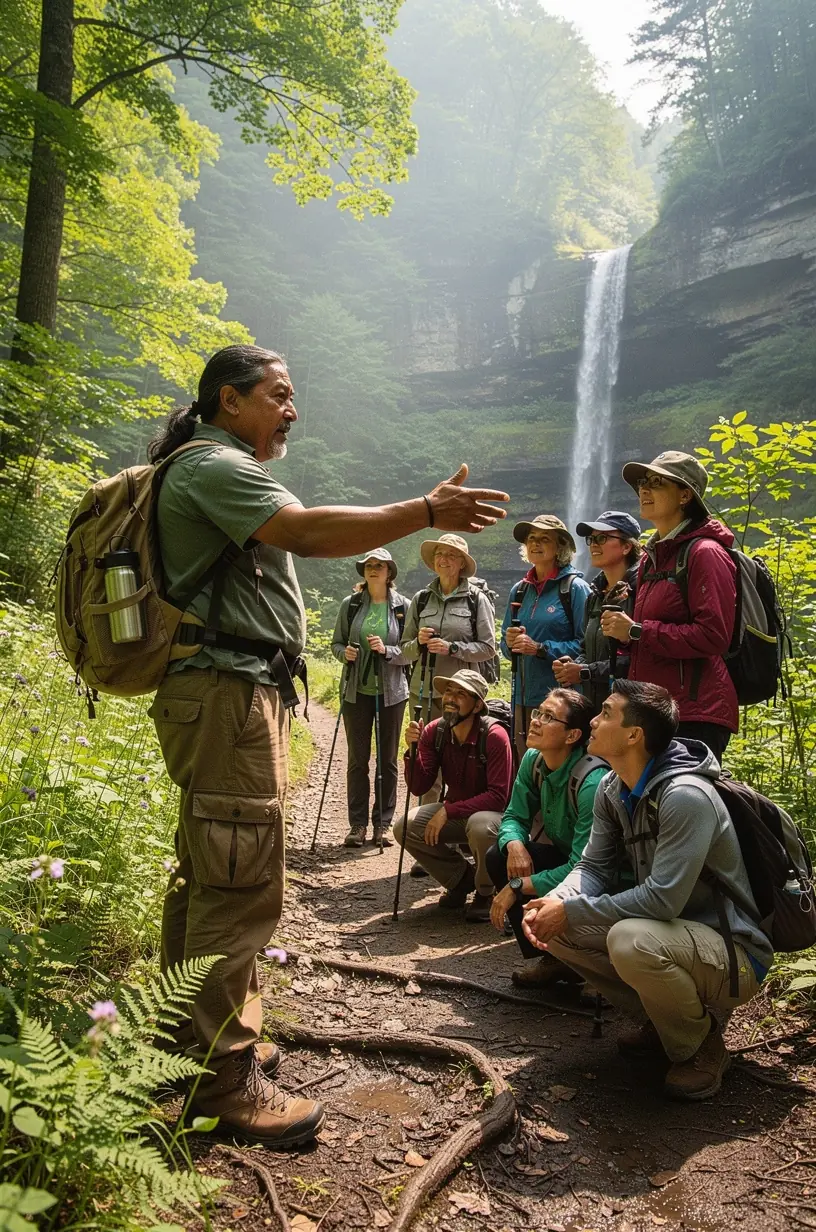
"Cultural immersion is a journey that encourages not just observation, but active participation in the way of life." - Cultural Studies Expert
Defining Your Goals
Identifying what you want to achieve through your immersion program is crucial. Here are some common objectives:
- To improve language skills through daily conversation.
- To understand local traditions and customs more deeply.
- To explore culinary practices and local cuisines.
Setting clear goals will help guide your program development and ensure a structured approach.
Choosing the Right Location
Selecting a location that aligns with your interests is fundamental. Consider factors such as:
- The local culture and its relevance to your goals.
- Accessibility and accommodation options.
- Safety and comfort levels of the area.
Researching potential sites can take time; typical preparations involve 2-4 weeks of planning to ensure a thorough understanding of the destination.
Designing the Program Activities
Once your location and goals are set, the next step is to outline specific activities. A balanced program might include:
- Language Classes: Engaging with local speakers can enhance fluency and cultural context.
- Community Service: Volunteering provides insight into local social issues and fosters connections.
- Cultural Workshops: Activities like cooking, art, or music can deepen appreciation for the culture.
When designing these activities, consider the effort and commitment required from participants. Some activities may have a steep learning curve, while others can be more accessible.
Evaluating Your Program
After implementation, evaluating your program is vital to ensure it meets your objectives. Gathering feedback from participants can help identify what worked well and what could be improved. Research indicates that programs that include participant reflections often yield better outcomes in terms of cultural understanding and personal growth.
Conclusion
Designing a cultural immersion program can be a rewarding experience that promotes personal growth and understanding of diverse cultures. By setting clear goals, selecting the right location, and carefully designing activities, you can create a program that is both engaging and educational. Remember to evaluate the experience afterward to refine future programs and enhance the overall impact.