The Importance of Cultural Sensitivity in Travel Experiences
Cultural sensitivity plays a crucial role in enhancing travel experiences. By understanding and respecting different cultures, travelers can foster deeper connections and enriching encounters during their journeys. This article explores the importance of cultural sensitivity and provides practical insights for travelers.
Understanding Cultural Sensitivity
Cultural sensitivity involves being aware of and respecting the beliefs, customs, and values of other cultures. According to research, cultural sensitivity can significantly enhance interpersonal interactions and promote positive experiences in diverse settings. Travelers who demonstrate cultural sensitivity tend to report more meaningful and fulfilling encounters, as they are better equipped to navigate complex social landscapes.
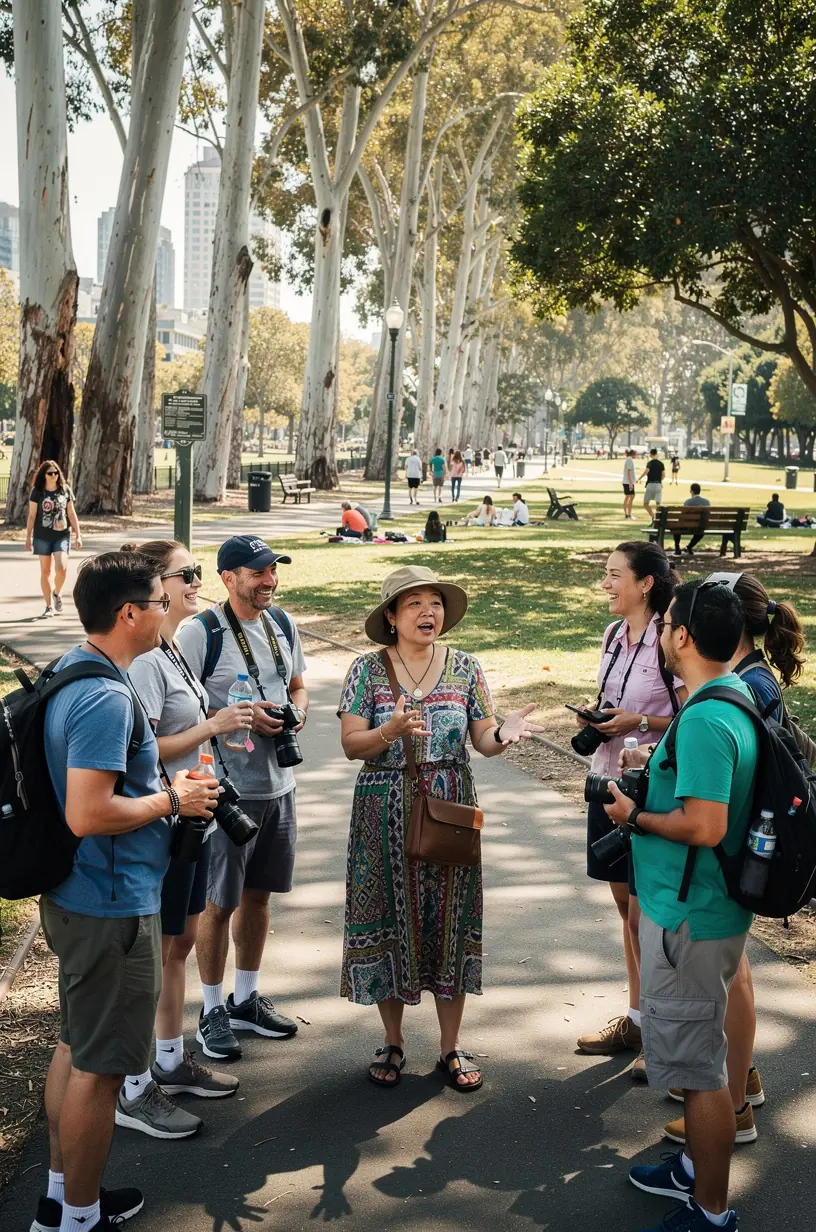
"Cultural sensitivity not only enriches travel experiences but also fosters genuine connections with local communities." - Travel Industry Expert
Why Cultural Sensitivity Matters
Embracing cultural sensitivity is essential for several reasons:
- Promotes Mutual Respect: Understanding cultural differences fosters respect between travelers and locals, creating an environment conducive to positive interactions.
- Enhances Authentic Experiences: Engaging respectfully with local customs can lead to more authentic and immersive experiences, allowing travelers to learn and appreciate the culture genuinely.
- Avoids Cultural Misunderstandings: Travelers who are culturally aware are less likely to unintentionally offend locals, which can lead to smoother exchanges and a more enjoyable trip.
How to Cultivate Cultural Sensitivity
Cultivating cultural sensitivity requires awareness and effort. Here are some actionable steps:
- Do Your Research: Before traveling, take the time to learn about the destination's culture, customs, and etiquette. Resources like travel guides, documentaries, and cultural blogs can provide valuable insights.
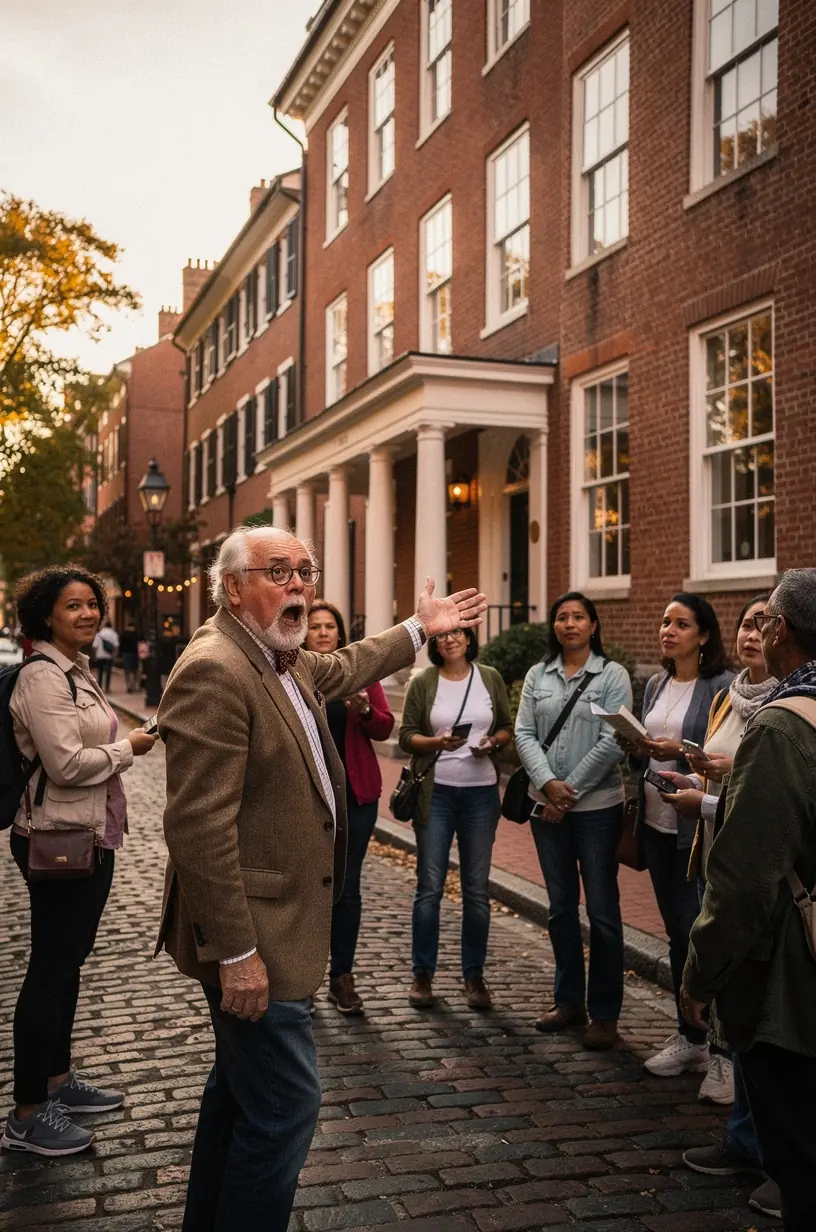
- Engage with Locals: Make an effort to connect with local people. Attend cultural events, visit local markets, or participate in guided tours led by locals to gain a firsthand understanding of their way of life.
- Practice Active Listening: When interacting with individuals from different cultures, listen attentively. This approach not only shows respect but also allows you to learn from their perspectives.
Acknowledging Limitations in Cultural Sensitivity
While striving for cultural sensitivity is important, it is essential to recognize that full understanding is often unattainable. Travelers should be aware that:
- Cultural practices can vary widely, even within the same country. What is considered polite in one region may not be in another.
- It can take time to develop cultural sensitivity; travelers may not grasp all nuances immediately. This journey typically involves ongoing learning and adaptation.
- In certain situations, cultural sensitivity requires ongoing practice and self-reflection, as biases can be deeply ingrained.
Conclusion
Cultural sensitivity is a vital component of enriching travel experiences. By understanding and respecting diverse cultures, travelers can foster positive relationships and create lasting memories. As experts recommend, taking the time to learn about a destination's cultural landscape can lead to more meaningful interactions and a deeper appreciation of the world around us. Remember, cultural sensitivity may not yield instantaneous results, but consistent effort and genuine curiosity can significantly enhance your travel experiences.
Learn More